SBIR Phase I – Condition monitoring of Traction Motors

SBIR Phase I – Condition monitoring of Traction Motors

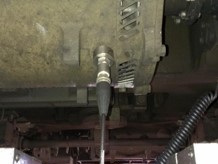
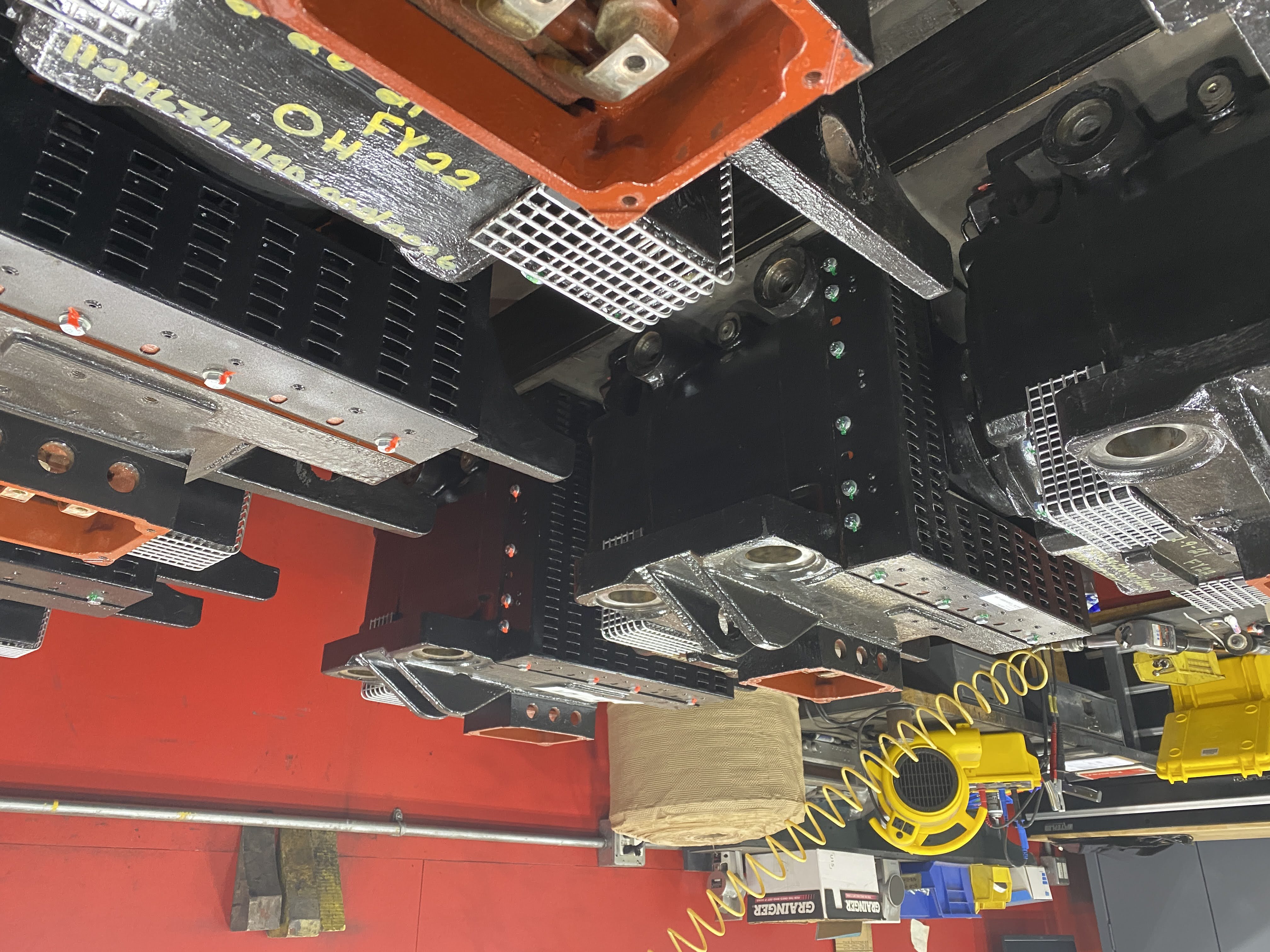
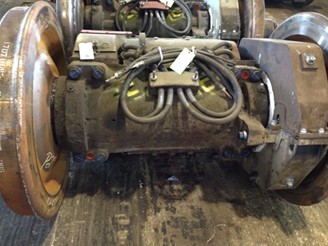
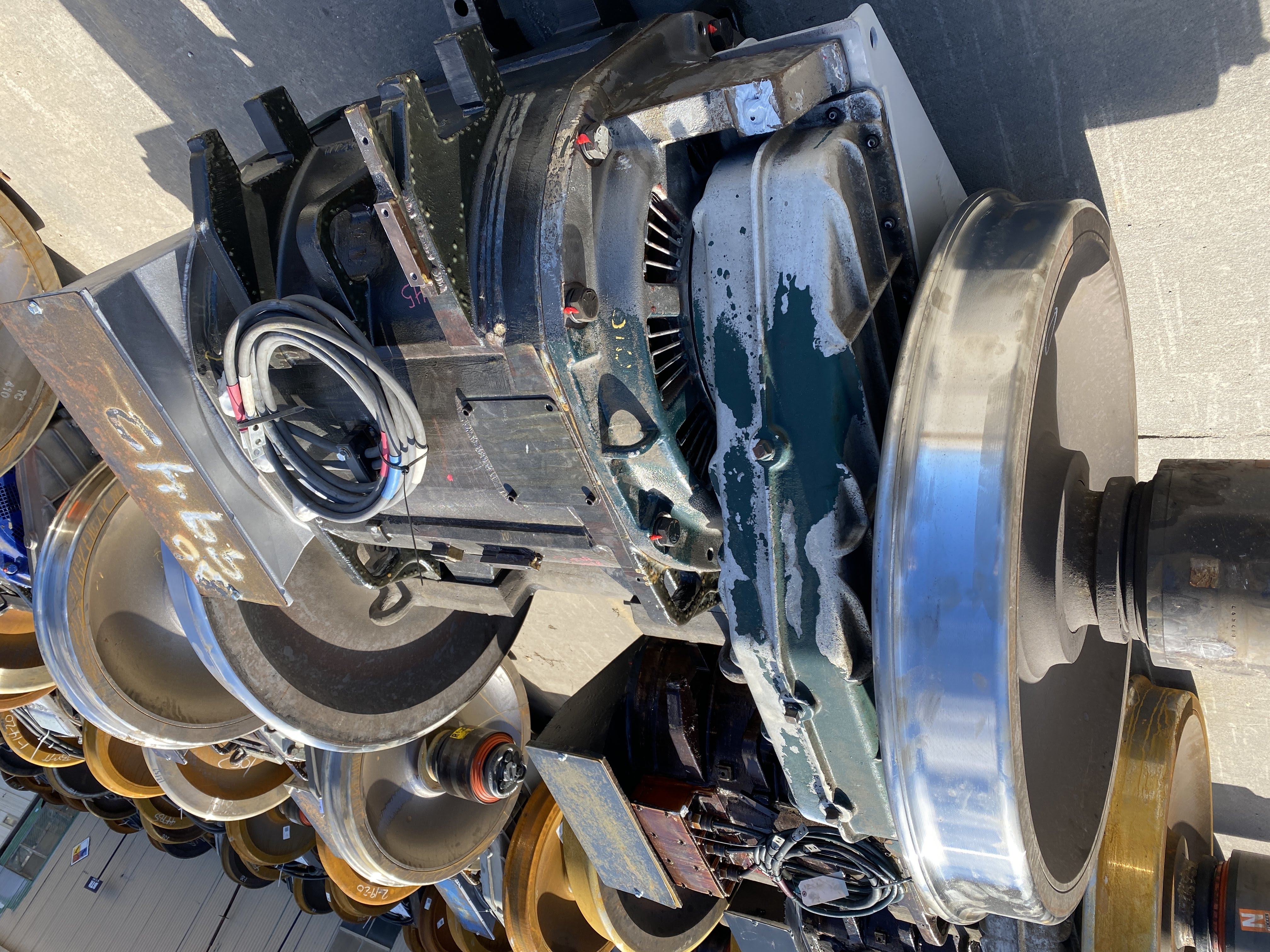
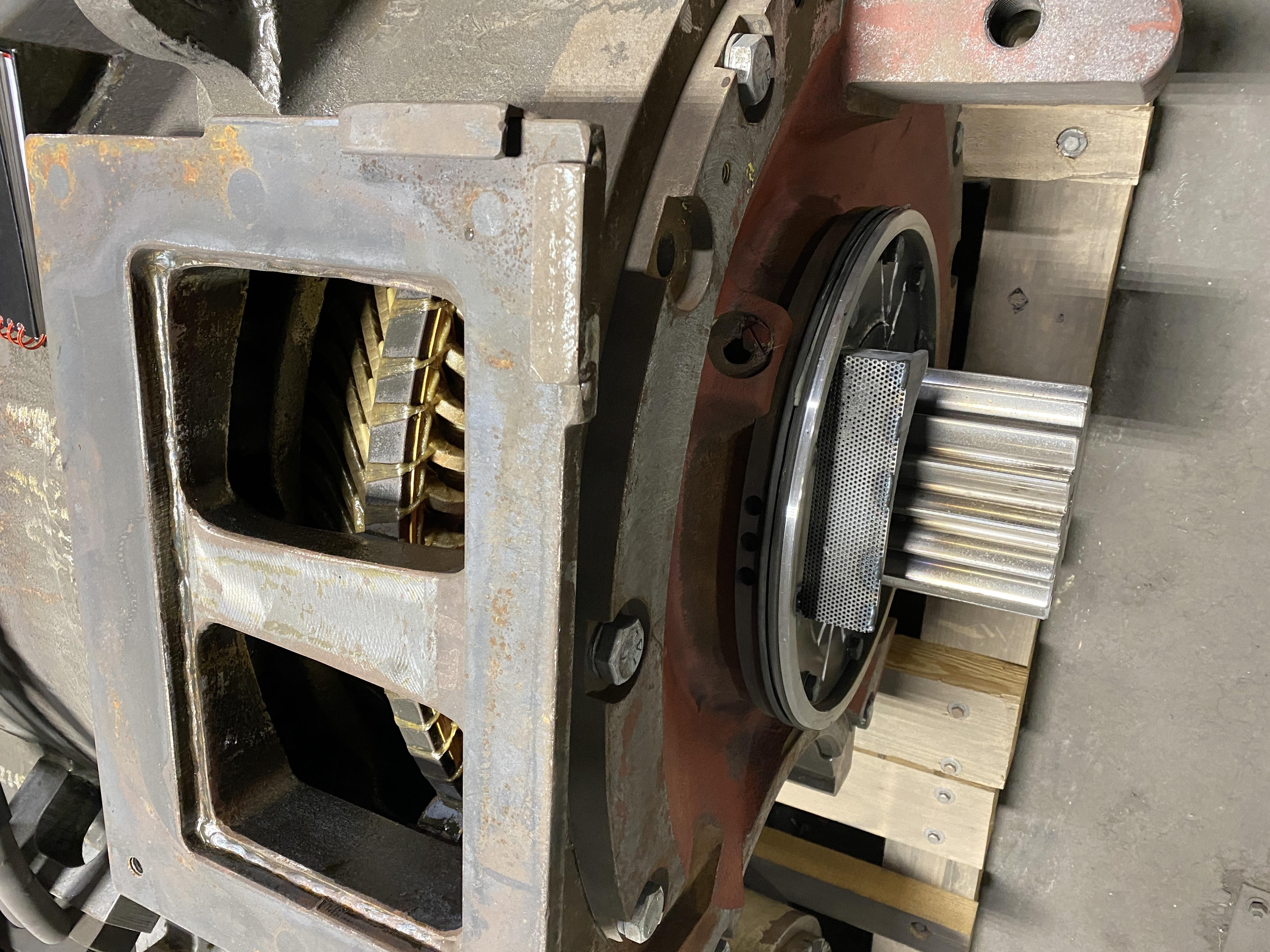
Forcing Function was awarded a Phase 1 grant from the Department of Transport’s VOLPE Center to investigate the root cause of Traction Motor failure. The investigation recommended approaches for monitoring the condition of traction motors on a real-time basis. This would help to identify failures at an early stage; allowing condition based maintenance of these units.
SBIR Phase II – Prototype development for Traction Motor monitoring

SBIR Phase II – Prototype development for Traction Motor monitoring

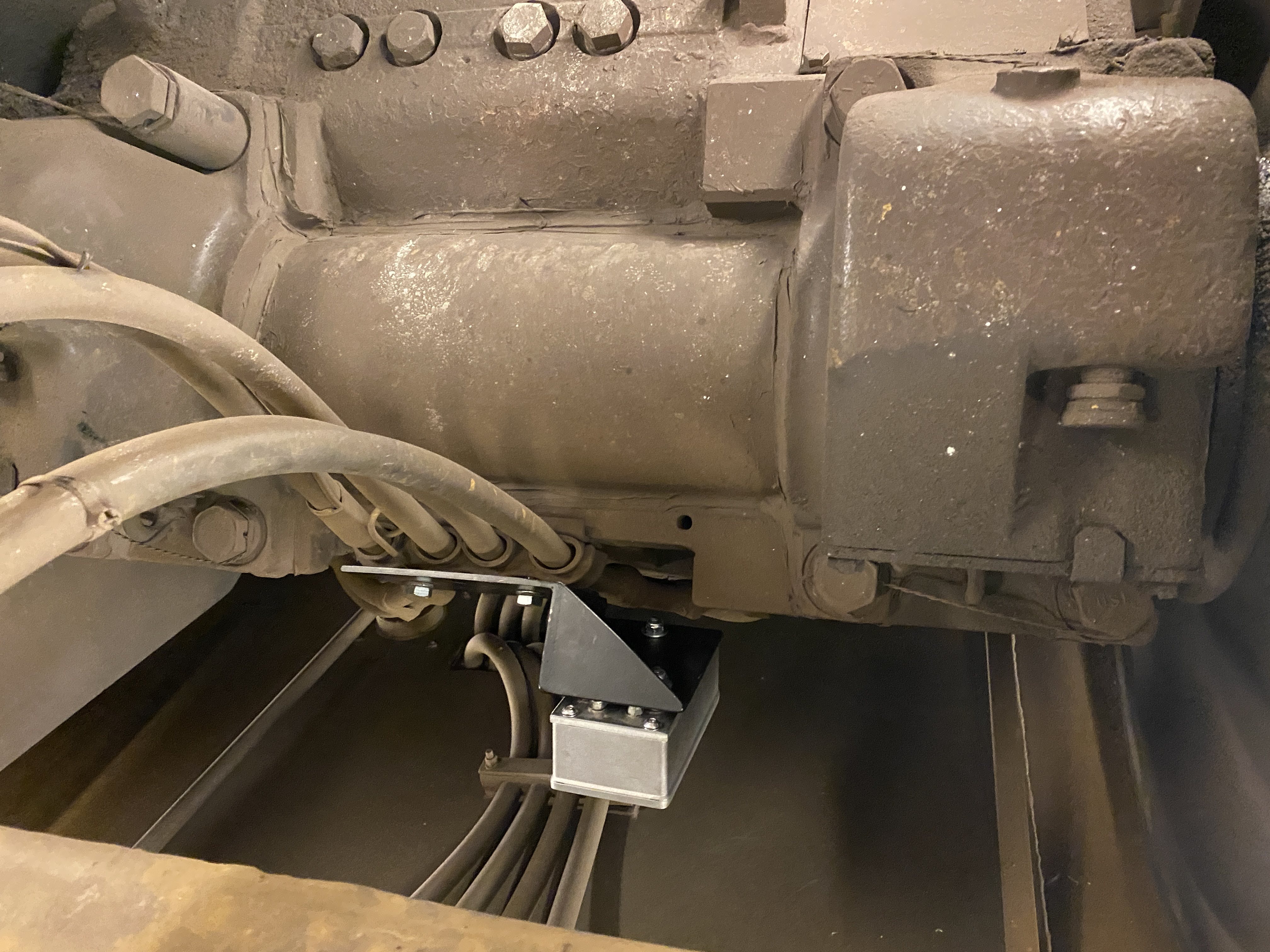
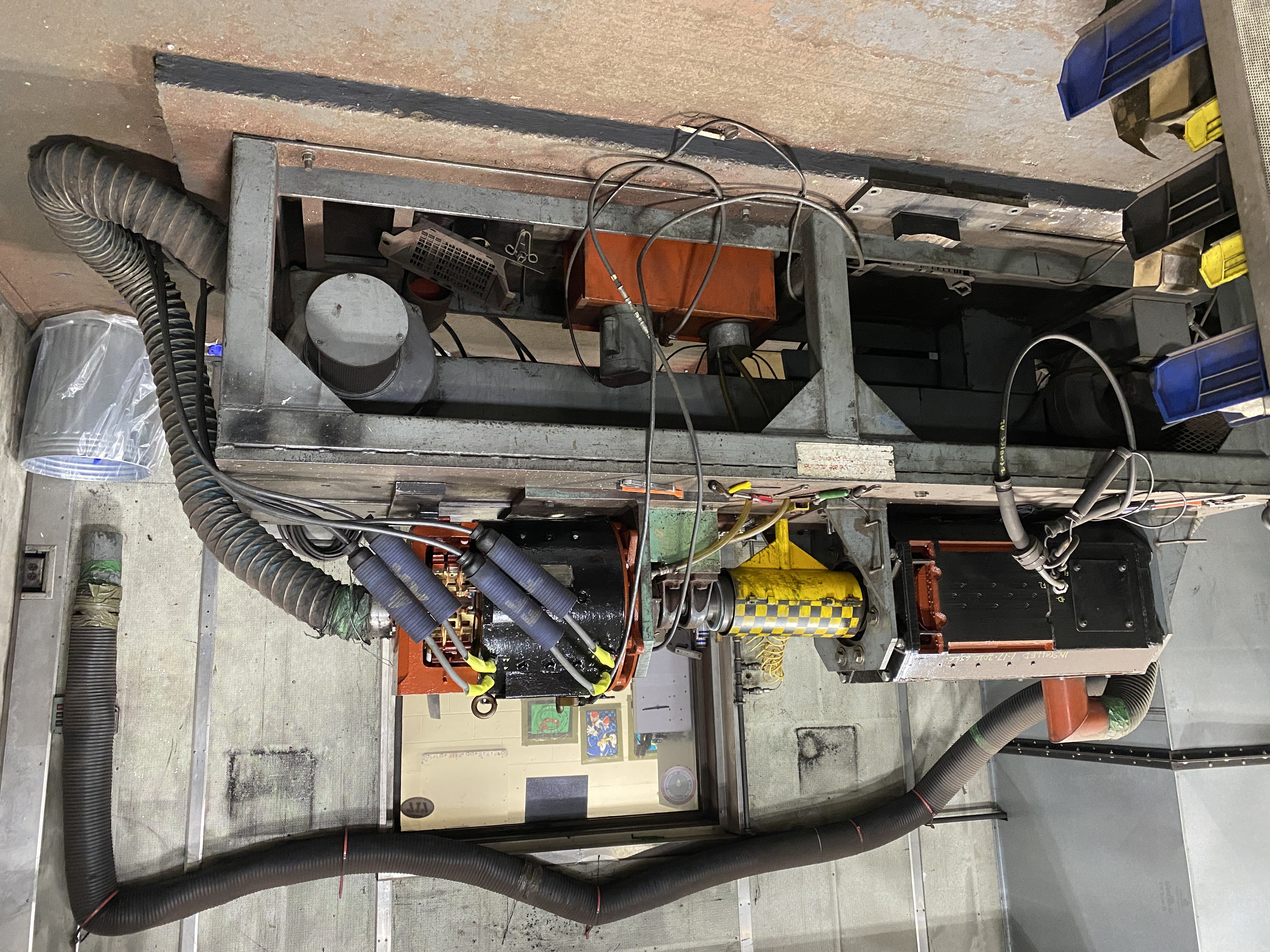
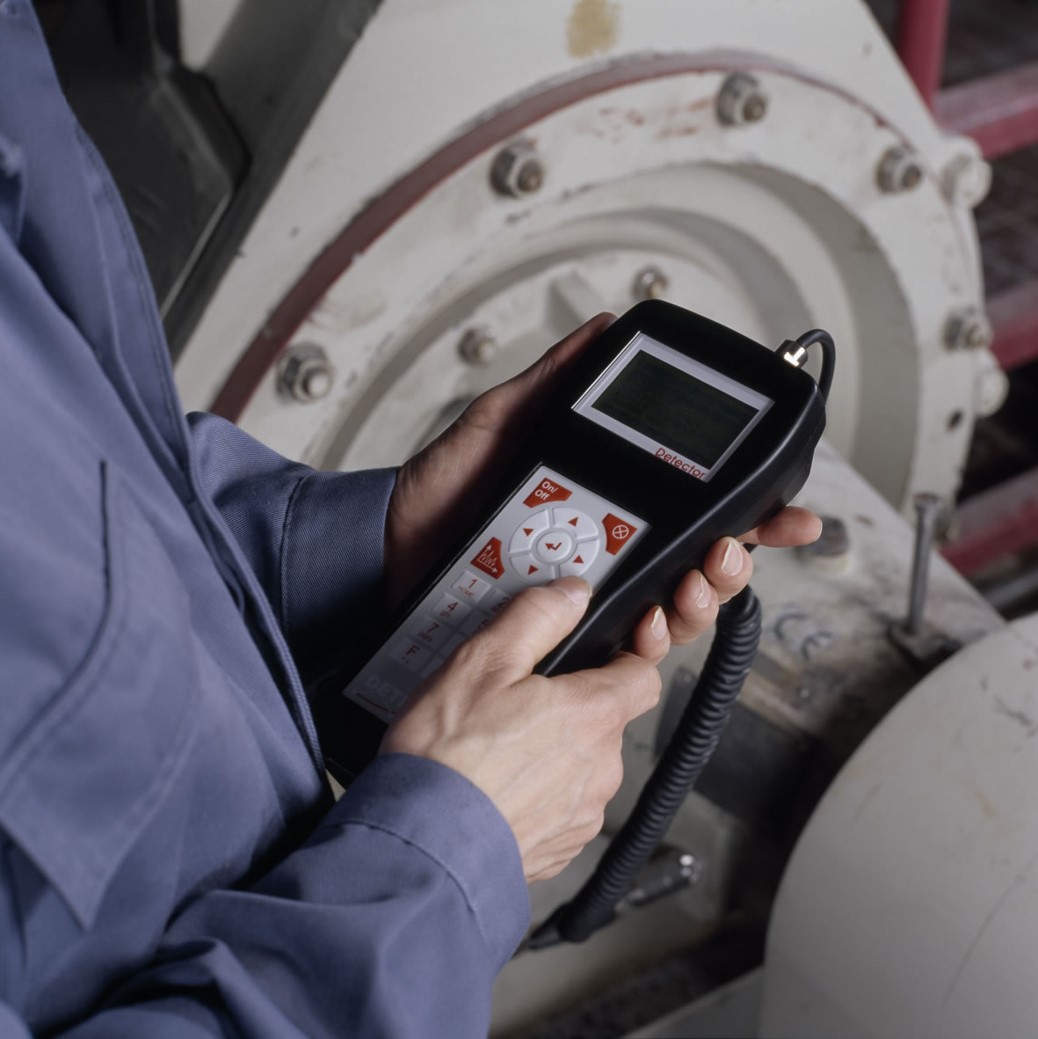
Following successful delivery of the Phase 1 research, Forcing Function was awarded a Phase 2 grant to develop a proof of technology trial of a traction motor monitoring system. The proposed system monitors vibration signals from the motor bearings to monitor and identify motor bearing degradation. The new sensor and communication system is designed to be fully wireless and self-powered, using background vibrations to generate energy. The captured signal is wirelessly communicated to a HUB receiver fitted inside the locomotive.

TRB IDEA – Subsurface analysis using drone mounted GPR-on-a-chip

TRB IDEA – Subsurface analysis using drone mounted GPR-on-a-chip

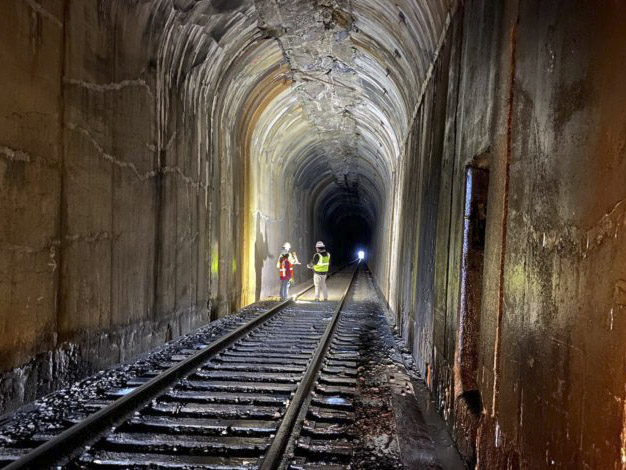
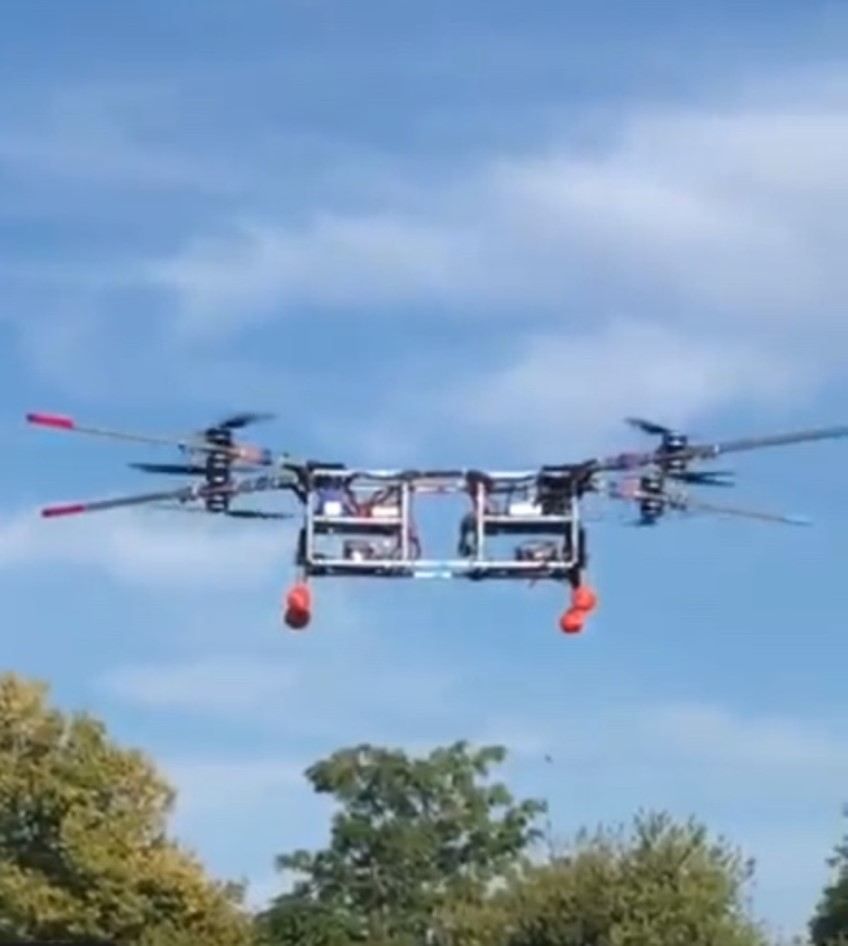
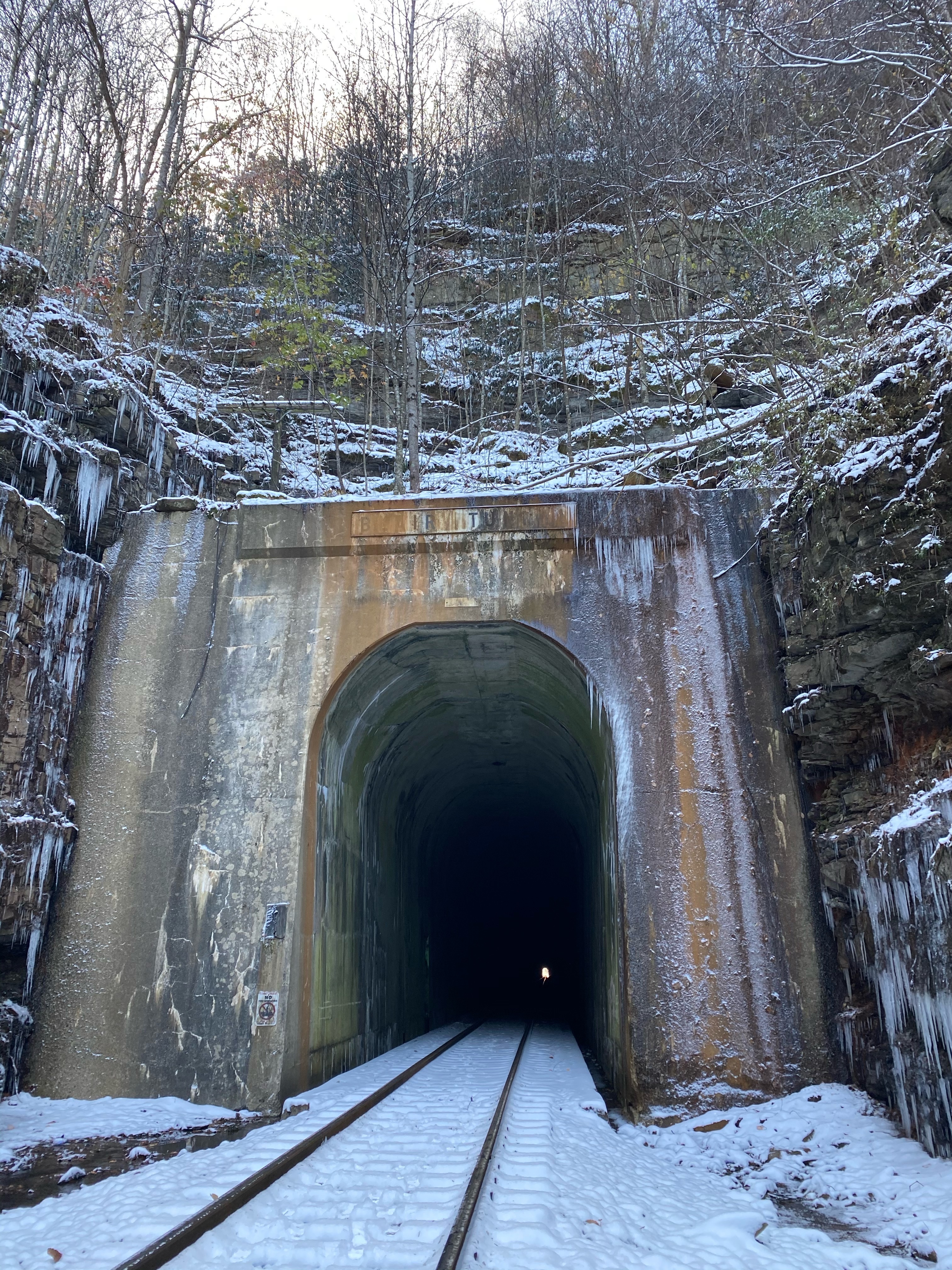
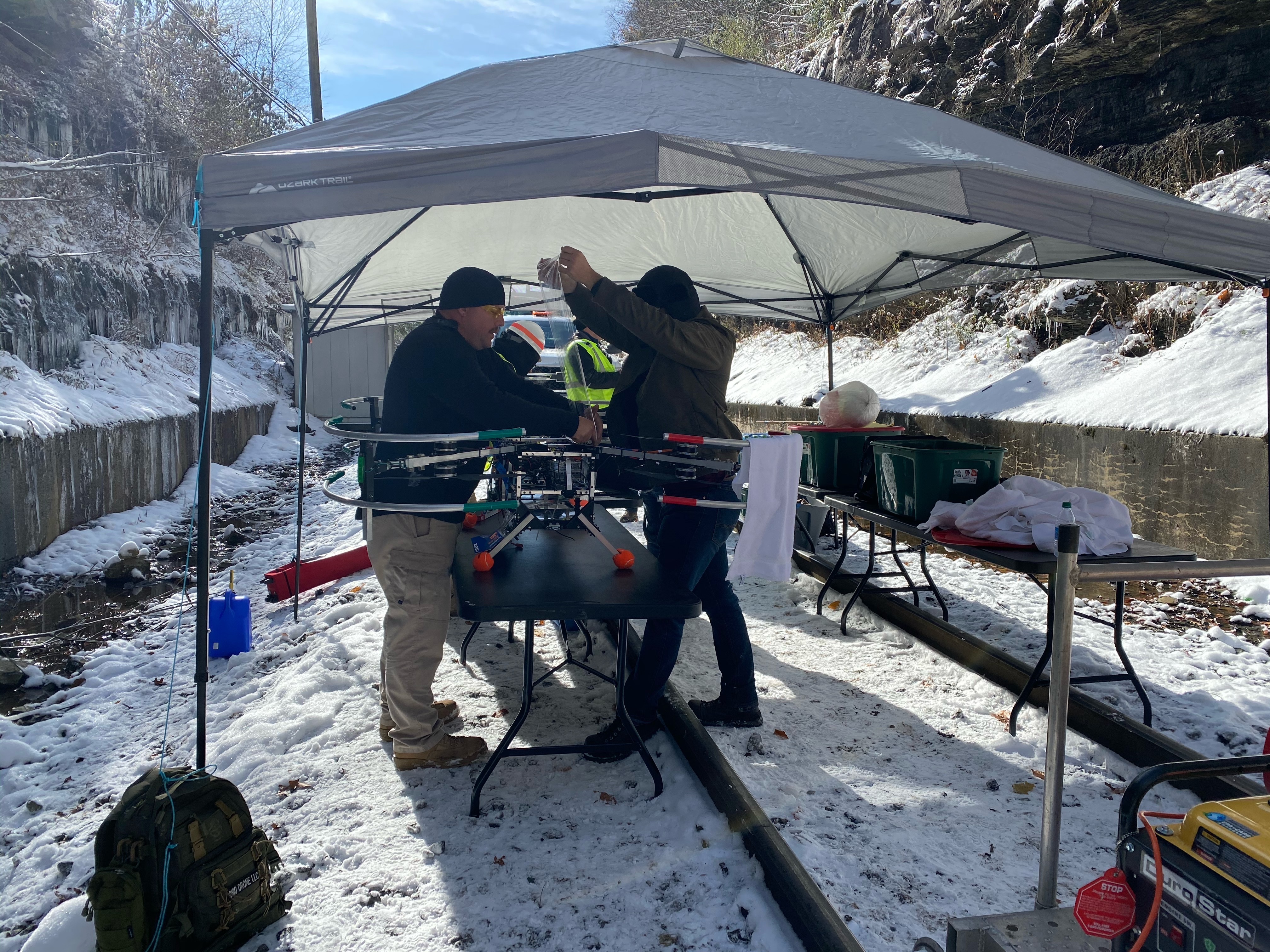
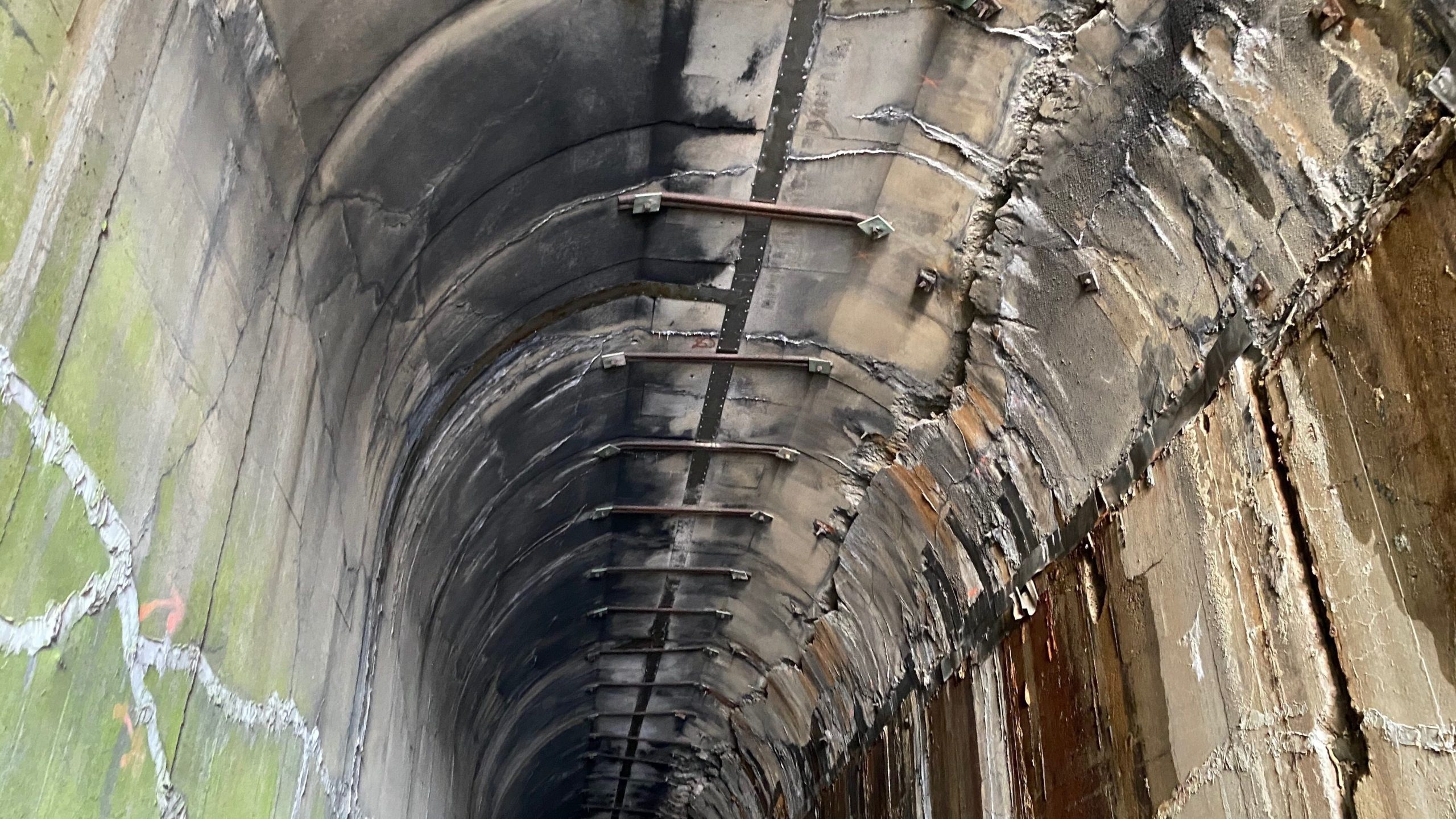
Forcing Function collaborated with a specialist surveying firm; ADOJAM, who have developed a Ground Penetrating Radar system on a chip that is light enough to be mounted on a UAS. This technology was adapted to allow scanning of concrete lined railway tunnels to identify sub-surface damage and deterioration.